
The historical context of gambling
Gambling has existed in various forms throughout human history, from ancient civilizations engaging in dice games to the modern era of online casinos. Initially, it served as a social activity, providing entertainment and a way to bond. However, as societies evolved, so did the perceptions of gambling, transforming it into a multi-billion-dollar industry. This evolution raised questions about its impact on societal structures and individual behavior, leading to the establishment of regulations and societal norms surrounding gambling. Today, platforms like MyBet9 have made it easier than ever for Australians to engage with a variety of games.

The historical context also reveals how gambling has mirrored societal values and economic conditions. In periods of economic prosperity, gambling flourished, often viewed as a leisure activity. Conversely, during economic downturns, it sometimes became associated with desperation and addiction. Understanding this historical backdrop is crucial to examining how gambling continues to influence contemporary society and the individual psyche.
In today’s globalized world, gambling has taken on new forms, particularly with the advent of online platforms. This shift has changed not only how people engage with gambling but also who participates. The accessibility of online gambling has led to increased participation across diverse demographics, making it essential to analyze its effects on various societal structures and individual behavior.
Gambling and its effects on social structures
The influence of gambling extends deeply into the fabric of societal structures. It has created economic opportunities through job creation in casinos, online gaming companies, and related industries, contributing to local and national economies. However, these economic benefits can come at a cost. Communities may experience a rise in crime and social issues linked to gambling addiction, leading to a complex dynamic where the benefits of economic growth must be weighed against the potential for social harm.
Additionally, gambling can impact family structures significantly. When individuals become addicted, the consequences often ripple through families, leading to financial instability and strained relationships. This can result in a cycle of poverty that affects future generations. Furthermore, the normalization of gambling in society may influence younger generations, who might view it as a viable option for financial gain, potentially leading to similar issues in their adult lives.
On a broader scale, the regulatory environment surrounding gambling often reflects societal attitudes toward it. In regions where gambling is heavily regulated, it can lead to a stigma attached to the activity, impacting those who participate. Alternatively, in areas with more lenient regulations, gambling may be seen as a harmless form of entertainment, potentially masking the underlying issues that can arise from excessive participation.
Individual behavior and gambling
The psychology of gambling is a fascinating area of study that reveals much about individual behavior. Various factors, including thrill-seeking, escape from reality, and the allure of instant gratification, drive people to gamble. Understanding these motivations is crucial for recognizing how gambling can become an addiction for some individuals. The excitement of potentially winning can overshadow the associated risks, leading individuals to chase losses and continue gambling despite negative consequences.
Moreover, the impact of gambling on mental health cannot be overlooked. Studies have shown that individuals engaged in gambling are at a higher risk of experiencing anxiety, depression, and substance abuse issues. The pressure to maintain financial stability while engaging in gambling can exacerbate these mental health challenges, creating a vicious cycle that is difficult to escape. Interventions focusing on education and support for those at risk are essential for mitigating these effects.
Another layer to consider is the role of technology in shaping individual behavior toward gambling. The rise of online gambling platforms has made it easier for individuals to engage in gambling anytime and anywhere. This accessibility can lead to increased impulsivity and a decreased ability to control gambling behavior. Understanding how these platforms can manipulate user experience through features like instant betting and easy deposits is critical in addressing the behavioral patterns associated with modern gambling.
Myths and realities of gambling
Myths surrounding gambling often cloud the reality of its impact on society and individuals. One common myth is that gambling is a harmless pastime, akin to going to the movies. However, the reality is that gambling can lead to severe financial and emotional distress for many individuals and their families. This misconception can prevent people from recognizing the signs of problem gambling and seeking help.
Another pervasive myth is that gambling is purely a game of luck. While chance plays a significant role, the reality is that many gambling activities are designed to create a house edge, ensuring that operators profit over time. Understanding this reality can empower individuals to make more informed choices about their gambling activities and recognize the potential pitfalls associated with a false belief in their ability to consistently win.
Finally, the myth that gambling only affects a small percentage of the population ignores the broader implications for society. As more individuals engage in gambling, whether casually or compulsively, the ramifications can extend to healthcare systems, social services, and community support structures. Addressing these myths and promoting a more informed discourse on gambling is essential for fostering healthier attitudes and behaviors within society.
Exploring the landscape of online gambling
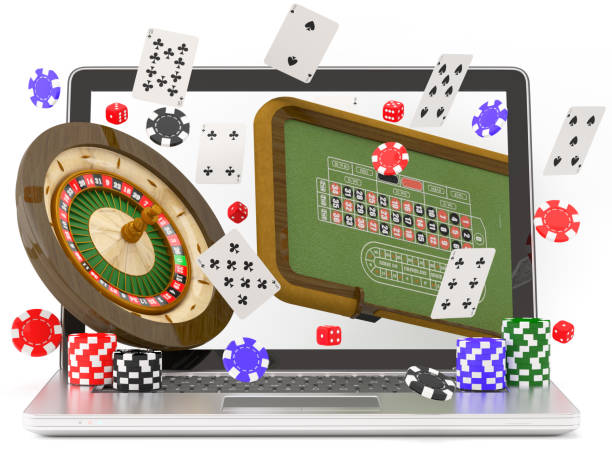
The landscape of online gambling has transformed significantly in recent years, offering an array of platforms that cater to diverse audiences. This evolution has not only expanded access but also introduced new challenges. Individuals can now engage in gambling activities from the comfort of their homes, which raises concerns about responsible gambling practices and potential addiction. Understanding the features that online platforms provide, such as bonuses and promotions, is critical for recognizing their influence on player behavior.
Moreover, online gambling platforms often utilize sophisticated algorithms and marketing strategies to enhance user engagement, making it easier for individuals to spend more time and money. This targeted approach can lead to increased gambling-related harm, especially among vulnerable populations. It underscores the necessity for effective regulation and responsible gambling initiatives that prioritize player safety and well-being.
In conclusion, the online gambling environment necessitates a balanced approach that acknowledges its entertainment value while addressing the potential risks involved. As the landscape continues to evolve, continuous dialogue and education will be pivotal in ensuring that individuals and society can navigate the complexities associated with gambling responsibly.